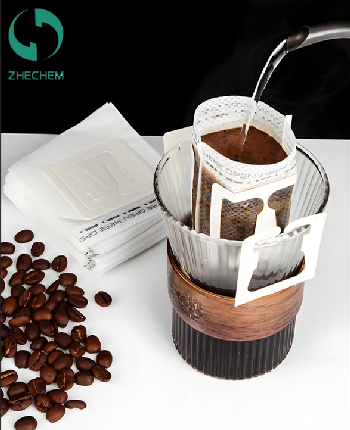
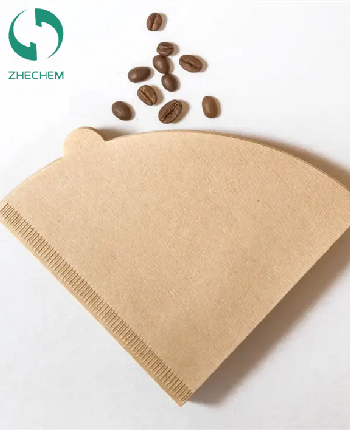

The quality indicators of coffee filters include thickness, porosity, fiber length, and compatibility with the filter cup.
Thickness: The thickness of the filter paper affects its filtration efficiency. Thicker filter paper may provide better filtration results, but it may also affect the taste and flavor of the coffee, as different thicknesses and porosities can change the efficiency with which the filter paper extracts aromatic substances and oils from ground coffee.
Porosity: Porosity refers to the size and number of voids in the filter paper, and it directly affects the permeability of the filter paper. A filter paper with a higher porosity can allow liquids to pass through more quickly, thereby improving extraction efficiency while maintaining the taste and flavor of the coffee.
Fiber length: Fiber length generally determines the porosity of the filter paper, which in turn affects the compounds and oils extracted into the cup. Longer fibers (such as bamboo and abaca) are more likely to penetrate, while shorter fibers (such as eucalyptus pulp) may have a smaller porosity.
Compatibility with the filter cup: The size and shape of the filter paper need to match the filter cup to ensure optimal filtration results. Different filter cups (such as conical or flat-bottomed) can affect the flow of water and extraction rate, thereby affecting the taste and aroma of the coffee. Additionally, choosing the right coffee filter paper involves considering the material from which the filter paper is made, such as mineral fiber pulp, fiber crops, cork, hardwood, etc. The differences in these materials can affect the performance of the filter paper and the final taste of the coffee. For example, bamboo and abaca fibers are longer and more porous, while eucalyptus pulp fibers are shorter and have smaller pores. Therefore, choosing the right coffee filter paper requires considering these quality indicators as well as personal taste preferences.
 E-mailbox: info@zhechem.com